How Aqaba, selective safe-haven capital, medical and high-trust tourism, residency incentives, mining logistics, and reopened regional corridors could raise Jordan’s value.
What began as a civilizational narrative of corridors and integration evolved into a flexible and fragmented system of projects, dependencies, bargaining, and geopolitical influence. Its mythology outran its coherence, yet enough infrastructure, finance, and strategic entanglement accumulated to make the initiative historically and geopolitically significant
An assessment of how the electric vehicle market changed from an era of strong promises to a more complex and uneven transition shaped by policy support, oil shocks, regional fragmentation, industrial exposure, and real buyer behavior
OHK has developed a systematic classification of resort planning and architecture, hospitality design environments showing how configuration, land use, and spatial reasoning influence outcomes and experience.
OHK goes beyond the headline story of digital infrastructure growth to examine whether the GCC’s data-center expansion is building a true knowledge economy or simply a hosting economy. It applies a practical framework to assess value capture, talent development, national participation, domestic firm linkages, innovation spillovers, and long-term economic embeddedness.
OHK analyzes the GCC’s shift from digital ambition to physical system reality, moving from data-center expansion to underlying load, and from there to energy demand, cooling burden, water dependence, infrastructure design, and governance.
OHK analyzes the governance half of the argument — moving from system behavior to human consequence, and from there to dependence, hidden bias, commercial incentives, moral legitimacy, rule-setting, and the search for practical guardrails.
OHK takes a diagnostic look at how AI is already entering consequential systems — tracing emerging disputes, the technological shift, the likely workflow, the limited visibility of deployment, and the early evidence from testing and simulation.
OHK has developed a scenario-based framework for understanding oil pricing after the closure of the Strait of Hormuz. The framework shows how physical disruption, shipping and insurance stress, reserve use, alternate supply, and policy response interact to shape a range of credible oil-price outcomes under different levels of conflict and market strain.
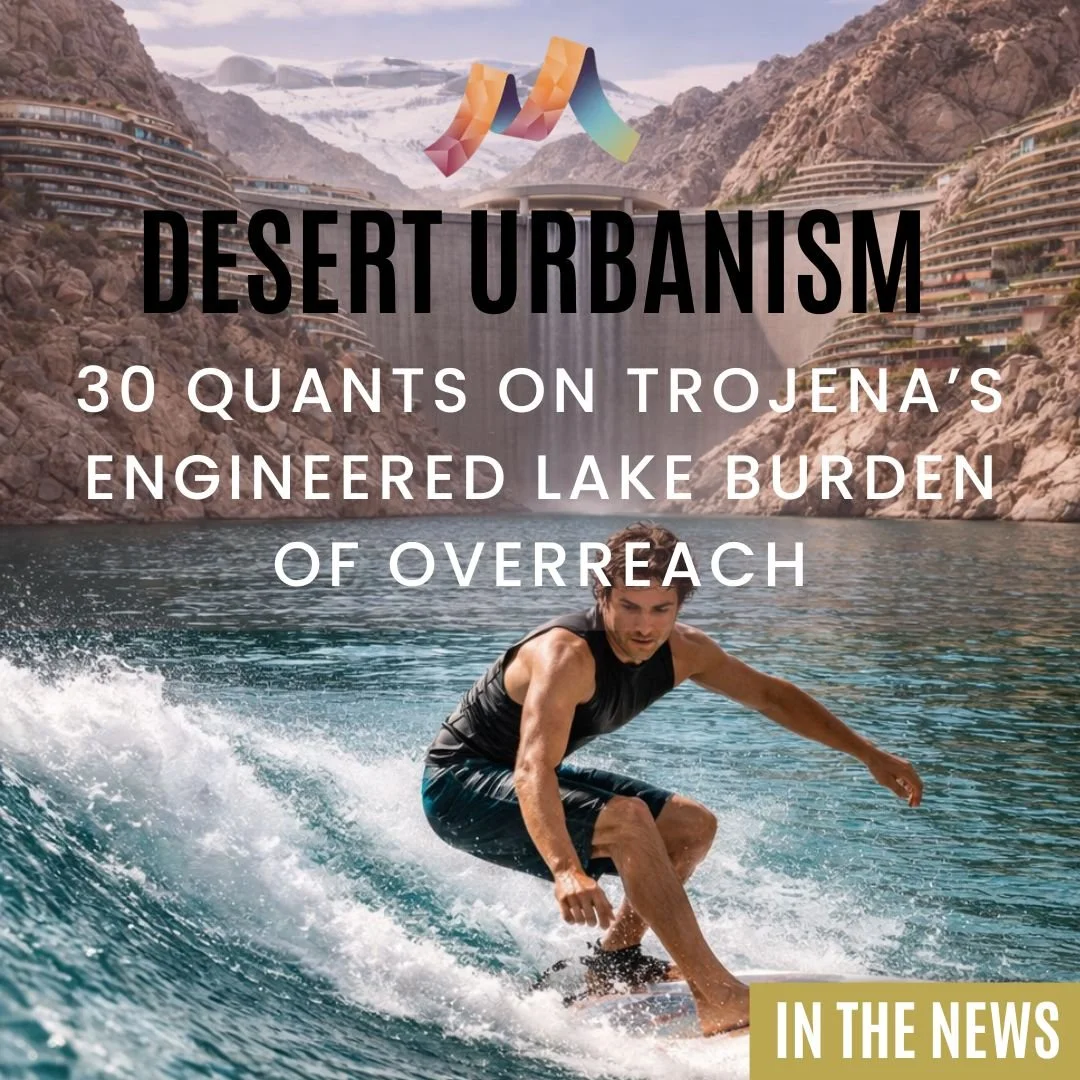
An OHK assessment of the lake’s financial, operational, and environmental logic, and of what it reveals about NEOM’s broader divergence from its original master planning vision
How utilities should position PRM within the enterprise stack so it strengthens governance, integrates cleanly with ERP, CRM, and SRM, reduces lock-in risk, and preserves long-term institutional control.
How PRM can be structured and put into practice through an operating model centered on mapping, segmentation, governance, journey design, measurement, and execution.
Why utilities must move beyond informal stakeholder handling and treat partner relationship management as a strategic capability essential to coordination, resilience, trust, execution, and long-term transformation.
This is the story of known vulnerability, delayed alternatives, and how energy geography still shapes prices, risk, and resilience.
Analyzing Three Structural Perspectives on Carbon Markets: Platform Design, National Market Systems, and Financial Infrastructure
Examining today’s fragmented carbon markets, rapid digital MRV adoption, and growing integrity crisis, showing how technology increased speed and scale while failing to resolve verification, governance, and interoperability failures.
Exploring how climate ambitions evolved into incentive-driven carbon systems, revealing how institutional design, baseline setting, and market pressures structurally produced credibility gaps, inflated credits, and long-term trust challenges.
Explaining the metrics OHK developed to evaluate AI exposure by separating technical capability, adoption speed, human value, and execution risk.
An evidence based analysis showing how artificial intelligence transforms digital sectors quickly while leaving experience driven markets comparatively protected.
An in depth look at the strategic shifts redefining jobs, productivity, and organizational design as artificial intelligence becomes central to business models.
Reading Davos from the Ground: How Cooperation, Growth, and Innovation Are Being Reframed Under Pressure
Beyond Models: Mass Valuation as a Governed Public Function
Classification Frameworks and Typologies of Mass Valuation Systems
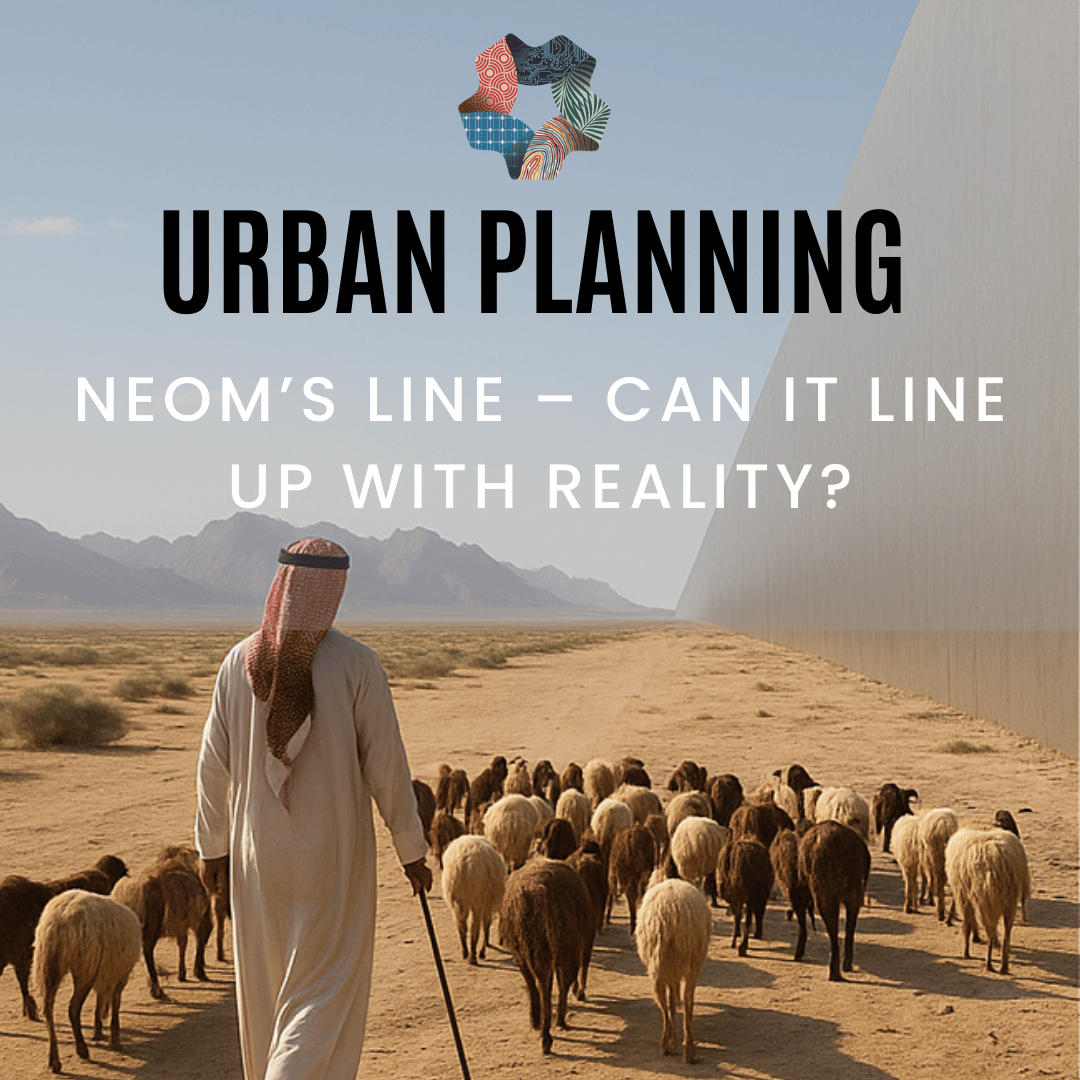
The Line Looks Straight, But City Logic Doesn’t Work Linearly: Why Cities Refuse to Be Lines—Revisiting OHK’s First Design of NEOM
Consulting with a Conscience—Always
Land, Power, and Possibility: Seven Global Models for Greenfield Development
Quantifying the Economic Cost of Egypt’s Nationalization Era
A data-driven model reveals how global icons can drive real estate value, urban uplift, and long-term investment returns.
The Unseen Costs of the Sharing Economy: Airbnb and the Platform City—Unseen Costs, Civic Backlash, and the Urban Reckoning
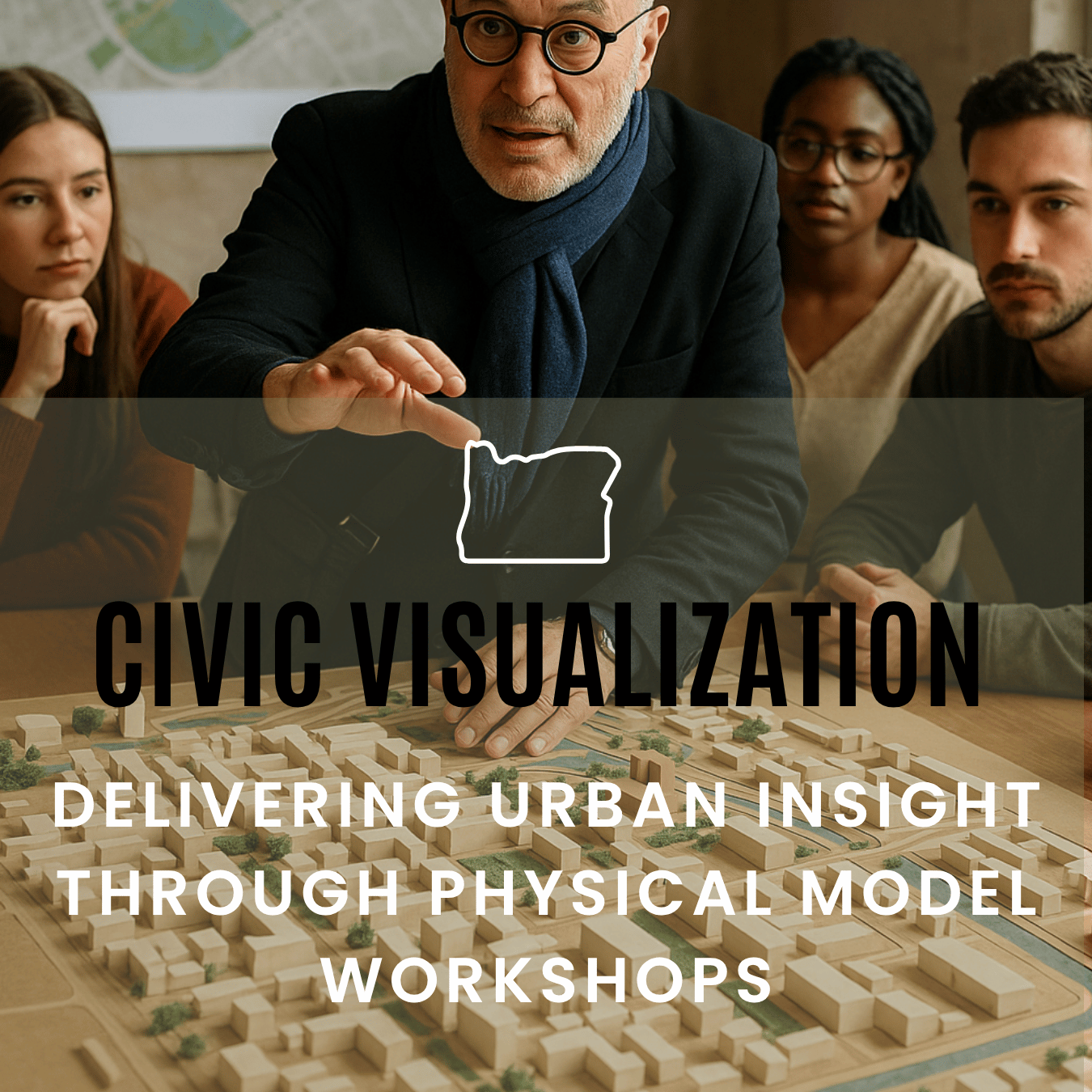
City of Possibility: What Portland—and OHK’s Global Work—Reveal About the Power of Physical Models
Inspired by OHK’s design work and international research, this reflects how genuine nature-based hospitality is shaped through restraint, deep immersion, and the subtle orchestration of experience rather than just indulgence.
This study reveals how French planning shaped the spatial logic of major U.S. cities—analyzing historical grids, ceremonial axes, and colonial land patterns through the lens of OHK’s preservation and urban regeneration work.
How gardens matter in master planning today—what we’ve lost, what global examples teach us about space, memory, and the role of landscape in city-making.
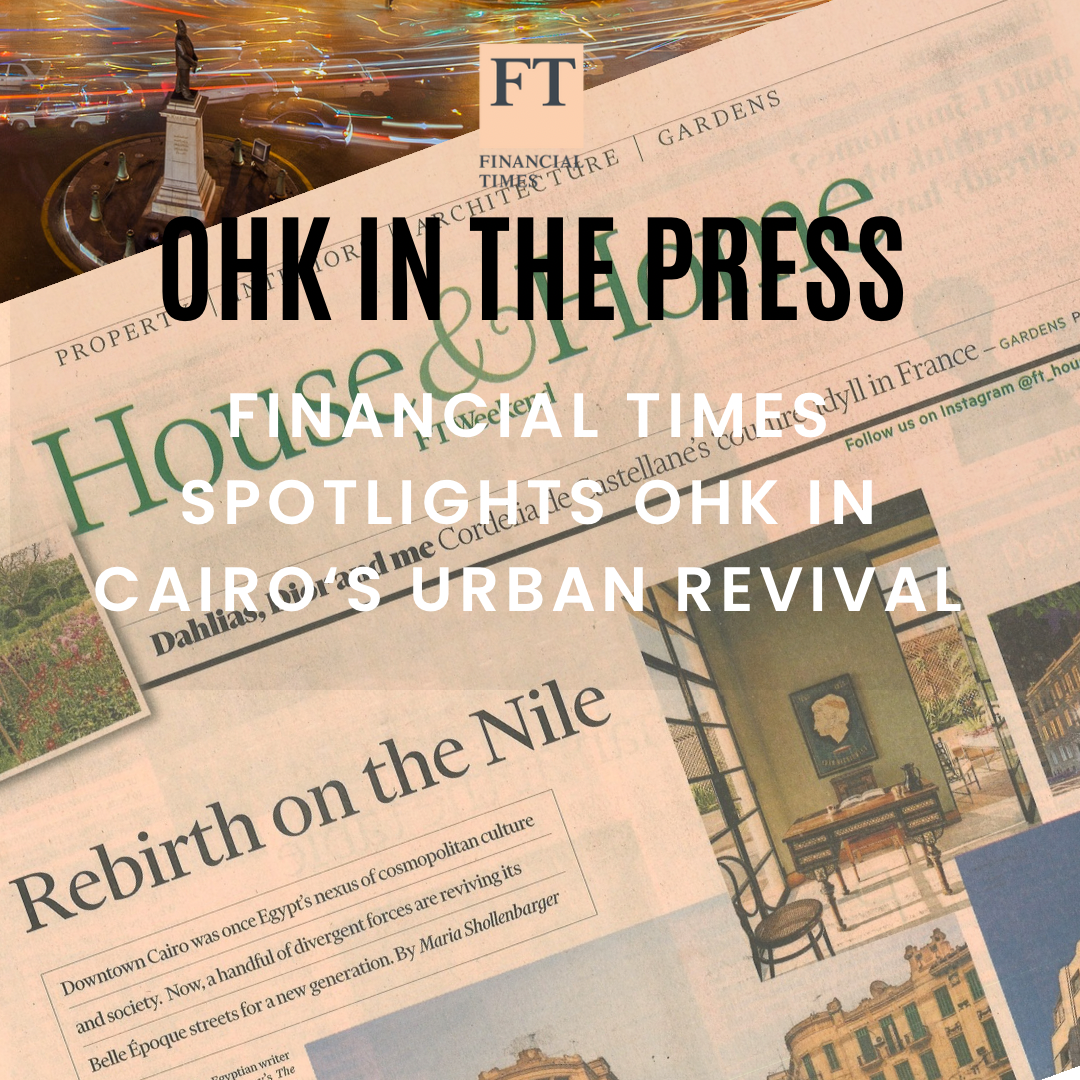
Our transformative work in urban regeneration has been spotlighted by the FT, showcasing how Downtown Cairo is reclaiming its historic charm and modern vibrancy.
OHK reflects on its decades of involvement supporting the agency and offers perspective on what it will take to rebuild USAID
Origin Story: From Inspiration to Implementation—The OHK Study Tour that Shaped the Beginnings of Egypt's New Administrative Capital
Key takeaways from WEF Annual Meeting 2025 in Davos
OHK’s PROSPER Framework: Elevating Global Tourism and Destination Competitiveness with Innovative Strategies
Transit Innovations, Overcoming Challenges in Developing Urban Mobility, and Solutions for Evolving City Landscapes in Developing Nations
Powering Egypt's Energy Transformation: OHK's Strategic Pathways for Advancing Renewable Solutions and Leveraging Global Expertise
Key takeaways from WEF Annual Meeting 2024 in Davos
Historic Downtown Conservation, Urban Rehabilitation, Adaptive Reuse, and Transformation of State-Owned Assets into Public-Private Partnerships.
Innovation Insights from Viva Tech 2023
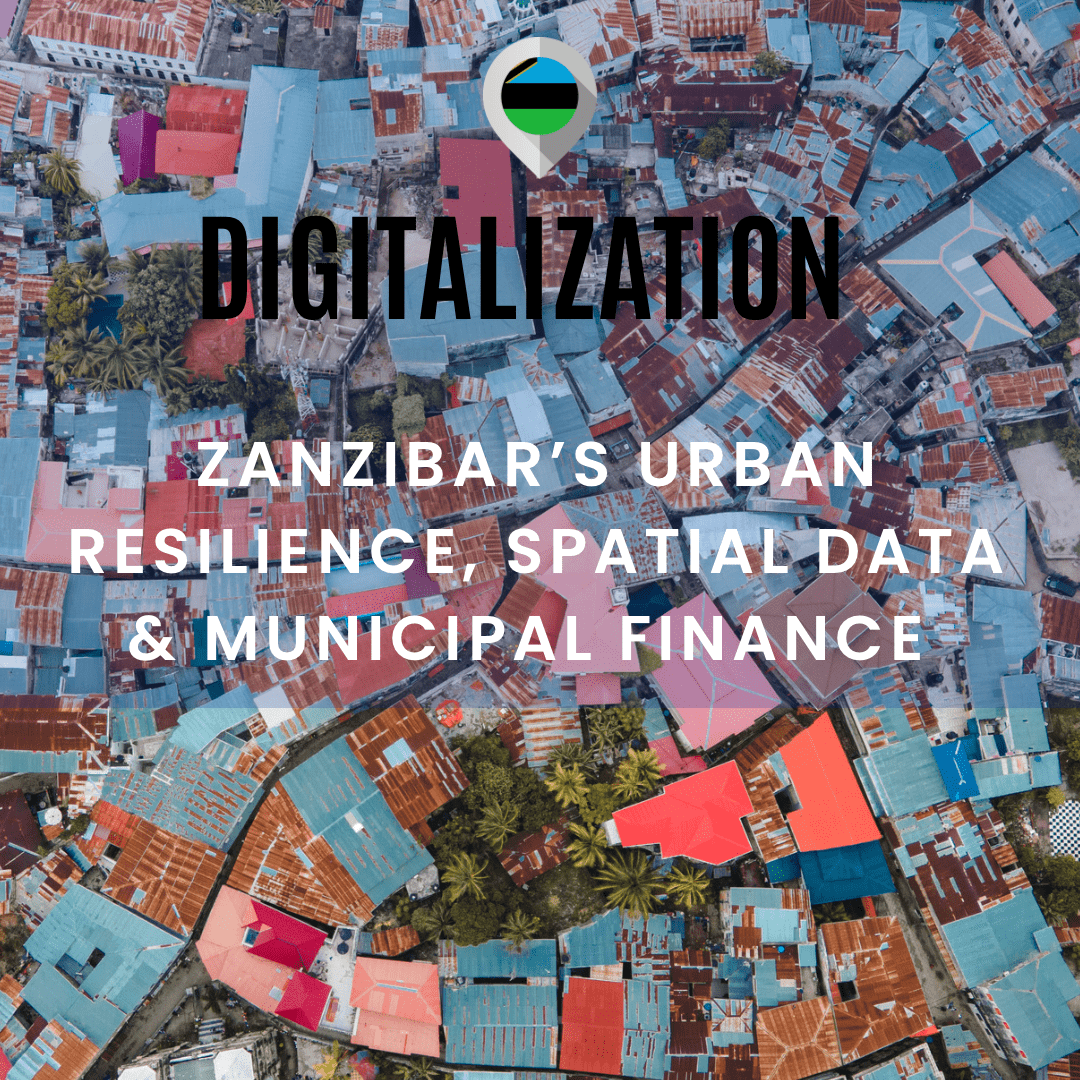
Digitalization and Spatial Data Infrastructure for Sustainable Urban Management
A Software Architect’s Exploration of Open Source GIS Software and SDI-Considerations for GIS Application
Exploring Best Practices, Nairobi’s E-Service (NairobiPay) Implementation and Digitalization Aspects
A Software Architect’s Exploration of Open Source GIS Software and SDI-Considerations for GIS Application
Exploring Twelve Practical Uses of GIS in Municipal Financial Management
A Scalability Roadmap for Stakeholders
An Exploration of GDI, SDI and GIS Roles, Overlaps, and Applications for Effective Decision Making
Analysis of Climate Change Metric Tools
Emerging Agents and Networks
Trends, Best Practices and Success Factors
Strategy for Historic Urban Cores and Destinations
Citizen Reintegration from San Francisco and Paris Services’ Enterprises
Parisian Resilience and Innovation in Urban Regeneration
Regulatory Code and Environmental Impact Guidelines